About United Complex GI Surgery
United Medical Doctors is proud to offer an unparalleled, fully integrated Complex Gastrointestinal (GI) Surgery division to patients in Southern California with enhanced access to highly specialized care in communities close to home. Specializing in minimally invasive and robotic surgical techniques, our Complex GI Surgery team strives to ensure the highest level of patient satisfaction through expedited recoveries, minimal pain and a quicker return to normal life.
Our Mission
We are dedicated to providing comprehensive, cutting-edge surgical care while giving patients access to highly specialized treatment closer to home.
Our practice is committed to compassionate, reliable care and an exceptional patient-centered experience. We thank you for the opportunity to care for you and your loved ones.


About Complex GI Surgery
- Hepatopancreaticobiliary (HPB) Surgery
- Colorectal Surgery
- Foregut Surgery
- Abdominal Wall Surgery
We proudly treat a multitude of complex conditions, diseases and disorders affecting the digestive tract and perform many of these procedures utilizing minimally-invasive techniques, including robotically. Our team looks forward to the opportunity to serve your specialty medical and surgical needs.
Hepatopancreaticobiliary (HPB) Surgery
An adrenalectomy is a surgical procedure to remove one or both adrenal glands.
Bile duct resection and reconstruction is a complex surgical procedure used to treat bile duct tumors, injuries, and strictures. The damaged or diseased portion of the bile duct is removed, and bile flow is restored by connecting the remaining bile duct to the small intestine, often through a Roux-en-Y hepaticojejunostomy.
Our surgeons use advanced surgical techniques to perform cholecystectomy, a procedure to remove the gallbladder. Removal of the gallbladder is one of the most frequently performed procedures.
Central pancreatectomy (CP) is a parenchyma-sparing surgical procedure used to remove tumors located in the neck or body of the pancreas.
Distal pancreatectomy is a surgical procedure to remove the body and tail of the pancreas, often done to treat tumors (e.g., NETs, mucinous cysts) or chronic pancreatitis. It is performed laparoscopically or via open surgery, sometimes involving spleen removal (splenectomy) to manage tumor spread, or sparing the spleen to minimize infection risks.
A gastrectomy is a surgical operation to remove part or all of the stomach. It is typically performed to treat conditions such as stomach cancer, severe ulcers or non-cancerous tumors.
Hepatic resections are categorized by their anatomic adherence to liver segments, aiming to treat liver tumors while preserving functional parenchyma. Lobectomy (hemihepatectomy) involves removing major lobes (e.g., right/left), segmentectomy removes specific anatomical segments, and non-anatomic wedge resections remove tumors with a margin of healthy tissue.
A hepaticojejunostomy (HJ), specifically the Roux-en-Y HJ, is a surgical procedure that creates a direct connection between the hepatic bile duct and the jejunum (small bowel) to redirect bile flow. It is primarily used to treat iatrogenic bile duct injuries, strictures, or tumors.
Liver tumor ablation (Radiofrequency-RFA and Microwave-MWA) are minimally invasive, image-guided techniques that use heat to destroy liver cancer cells, typically for tumors that cannot be surgically removed. RFA uses electrical current to generate heat, while MWA uses electromagnetic waves to generate heat, often resulting in faster, larger, and more reliable ablation zones.
Intraoperative liver ultrasound (IOUS) is a real-time, high-resolution imaging technique used during liver surgery to identify lesions, assess vascular anatomy, and guide resections or ablations.
Complex biliary injuries are severe, high-level obstructions or injuries involving the hepatic confluence, frequently paired with vascular damage.
A pancreaticoduodenectomy (Whipple procedure) is a complex surgery to remove the pancreatic head, duodenum, gallbladder, and bile duct, often treating pancreatic cancer. It involves resecting these parts and reconstructing the digestive tract.


Colorectal Surgery
Our surgeons treat both anal fissures, which are small tears in the thin, moist tissue that lines the anus, and fistulas, which are infected tunnels between the skin and the anus, utilizing minimally-invasive techniques.
An appendectomy is a surgical procedure to remove the appendix and is the standard treatment for appendicitis.
Our colorectal surgeons provide comprehensive surgical treatment for colon and rectal cancers using advanced open, laparoscopic, robotic, and single-incision (SILS) techniques when appropriate. Treatment is individualized based on the location and stage of the cancer and each patient’s specific needs.
Diverticulitis surgery encompasses the surgical treatment for complications from diverticulitis, which is performed to remove damaged parts of the colon, severe infections or fix dangerous tears.
Our surgeons offer advanced approaches to the treatment of hemorrhoids including non-surgical therapy with rubber band ligation.
Foregut Surgery
Our Foregut Surgery team consistently remains at the forefront of innovation by incorporating minimally invasive and robotic technologies. Most recently, we have been exploring the use of Artificial Intelligence to further enhance surgical safety.
Distal pancreatectomy is a surgical procedure to remove the body and tail of the pancreas, often done to treat tumors (e.g., NETs, mucinous cysts) or chronic pancreatitis. It is performed laparoscopically or via open surgery, sometimes involving spleen removal (splenectomy) to manage tumor spread, or sparing the spleen to minimize infection risks.
An esophagectomy is a major surgery to remove all or part of the esophagus, rebuild a new pathway using the stomach or intestine, and is a treatment for conditions such as esophageal cancer.
Fundoplication is a surgical operation used to treat severe acid reflux or GERD. The surgery consists of wrapping the top part of the stomach around the lower end of the esophagus to strengthen the valve.
Multiple surgical procedures are offered for gastroesophageal reflux disease (GERD).
A Heller myotomy is a minimally invasive surgical procedure used to treat achalasia, which is a rare swallowing disorder characterized by difficulty swallowing, regurgitation of food and chest pain. The procedure consists of cutting the tight muscle at the lower end of the esophagus to help food pass into the stomach.
Hiatal hernia repair is performed surgically to fix a bulging stomach and consists of repositioning the stomach, tightening the diaphragm opening and wrapping the stomach top around the lower food pipe.
Our surgeons perform Nissen fundoplication, also referred to as a Lap Nissen, which is a laparoscopic procedure performed for patients with gastroesophageal reflux disease (GERD).

Abdominal Wall Surgery
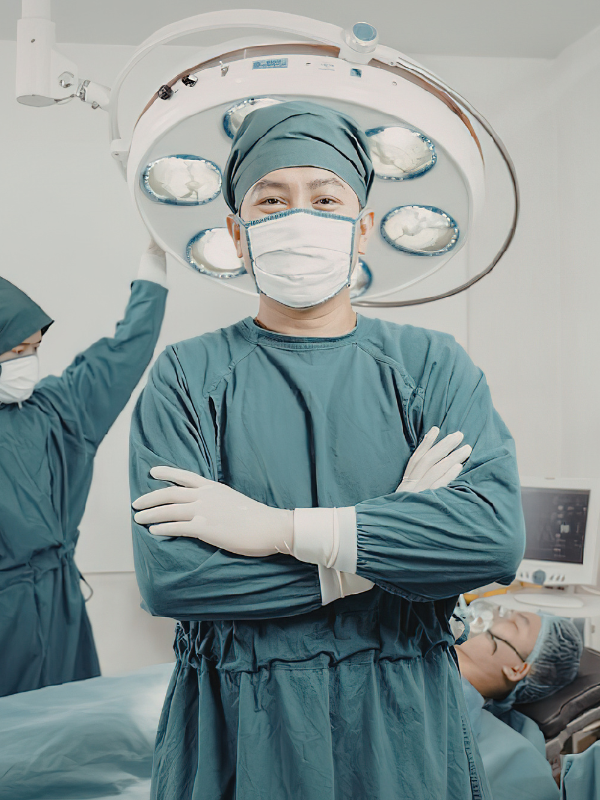
Complex abdominal wall reconstruction is an advanced surgical procedure used to repair large, recurrent, or difficult hernias and restore core muscle function using tissue repositioning and surgical mesh.
Our surgeons perform hernia repair surgeries for inguinal, umbilical and ventral hernias.
Our surgeons perform second or later surgeries to fix a returned hernia, using advanced techniques like component separation and surgical mesh to rebuild strength. These procedures are performed using minimally invasive approaches, including robotically, as well as the traditional open surgery method when indicated.
Our Complex Gastrointestinal (GI) Surgery Team
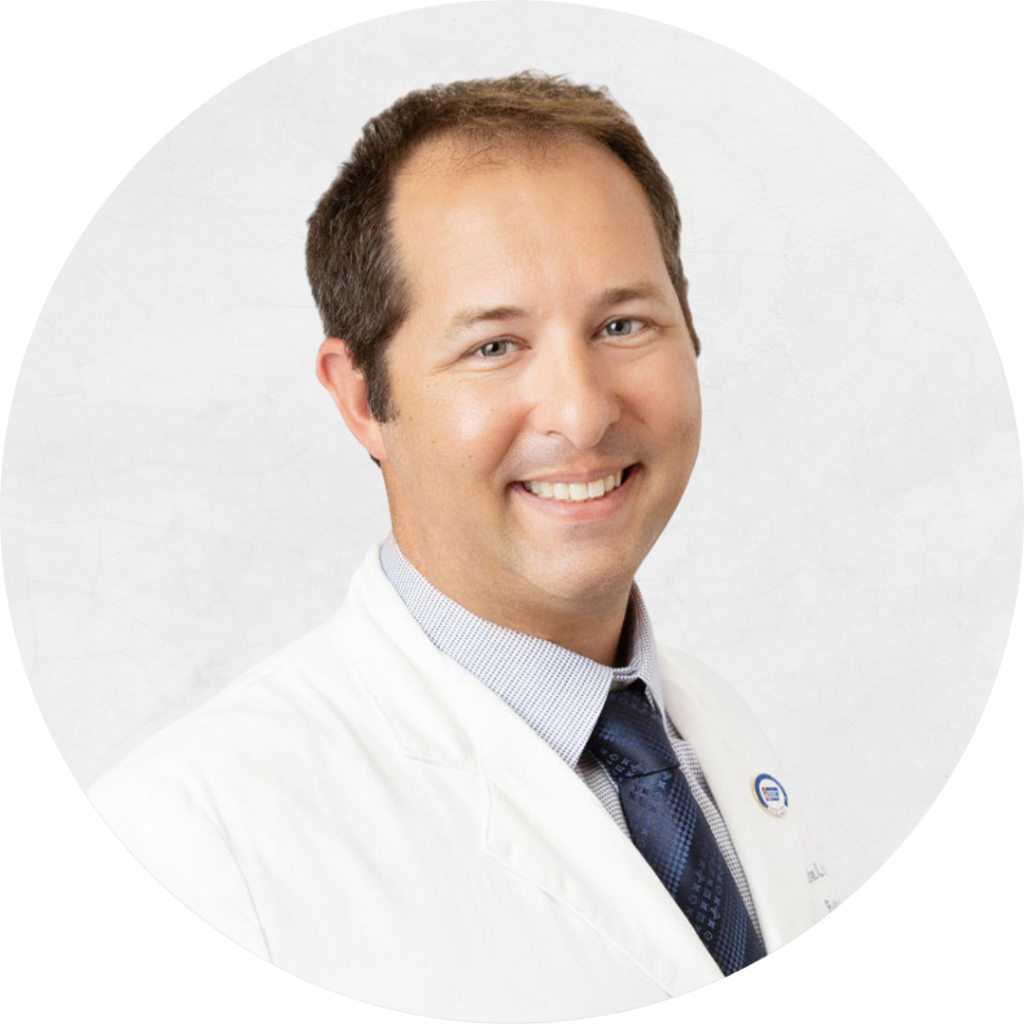
Matthew Schultzel, DO
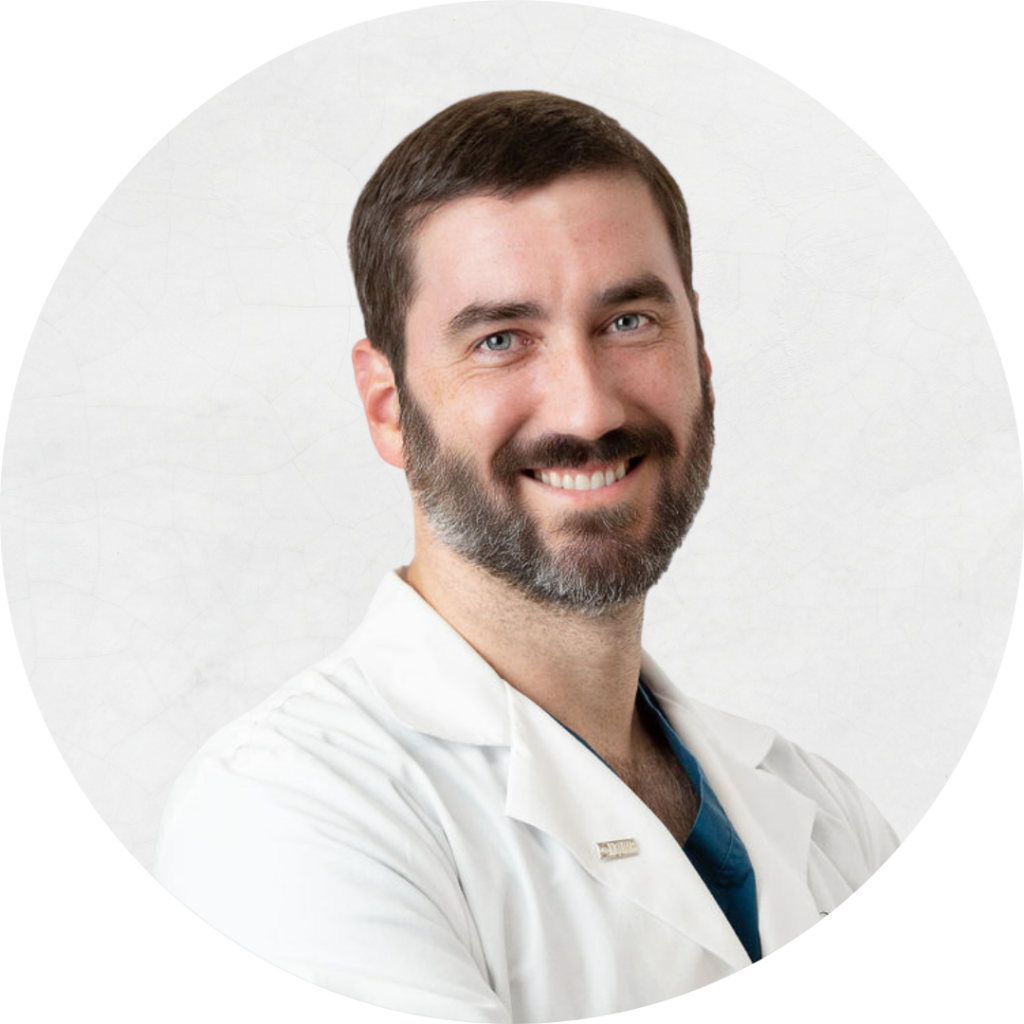
Daniel Burgess, DO
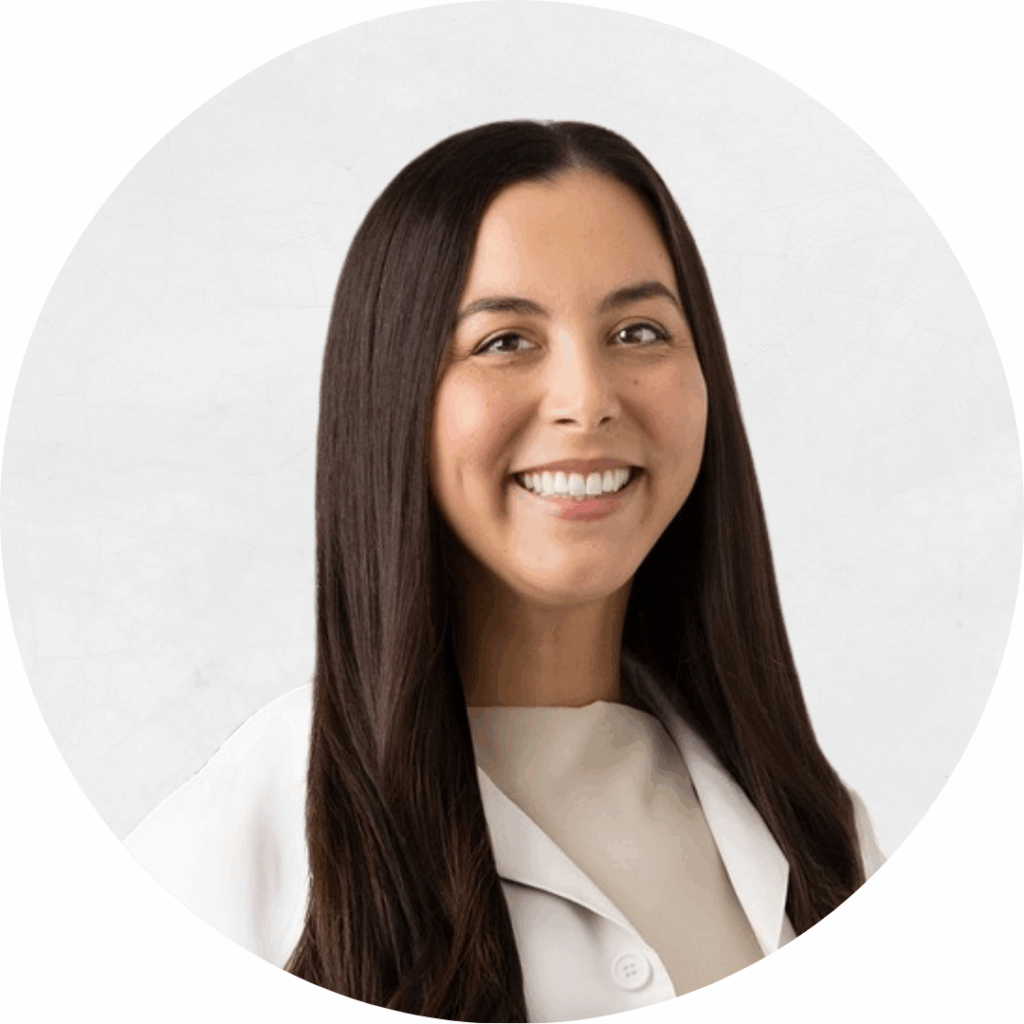
Laura DeCesare, MD
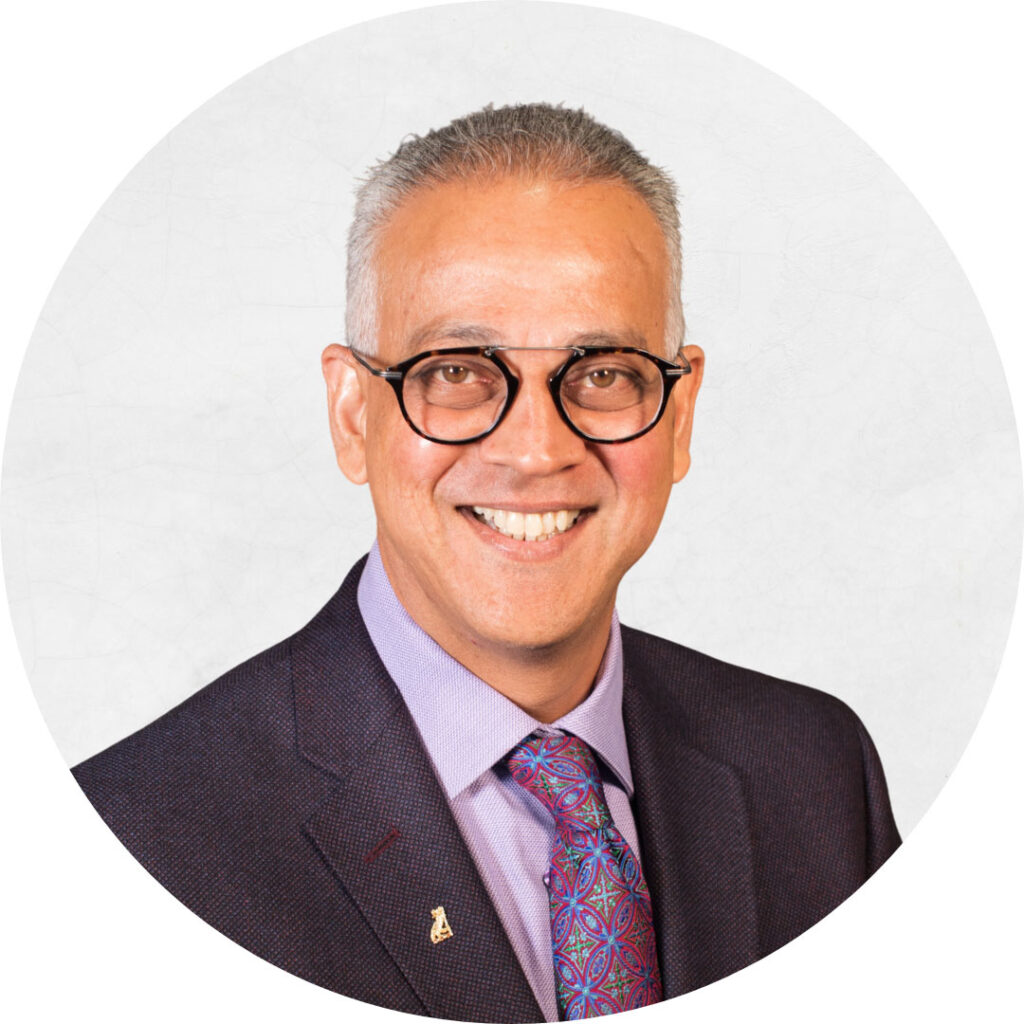
Sunil Bhoyrul, MD, FACS, FRCS
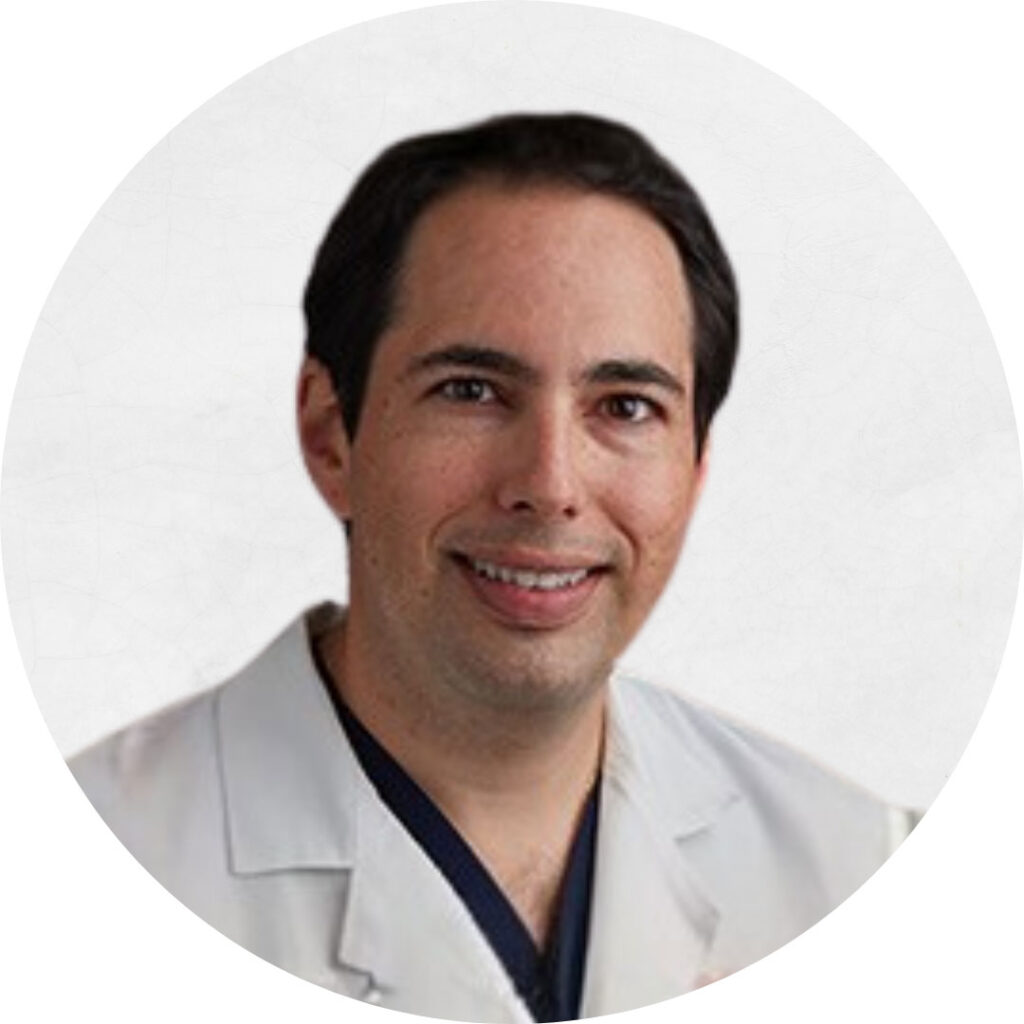
Pascal Bortz, MD, FACS, FASMBS
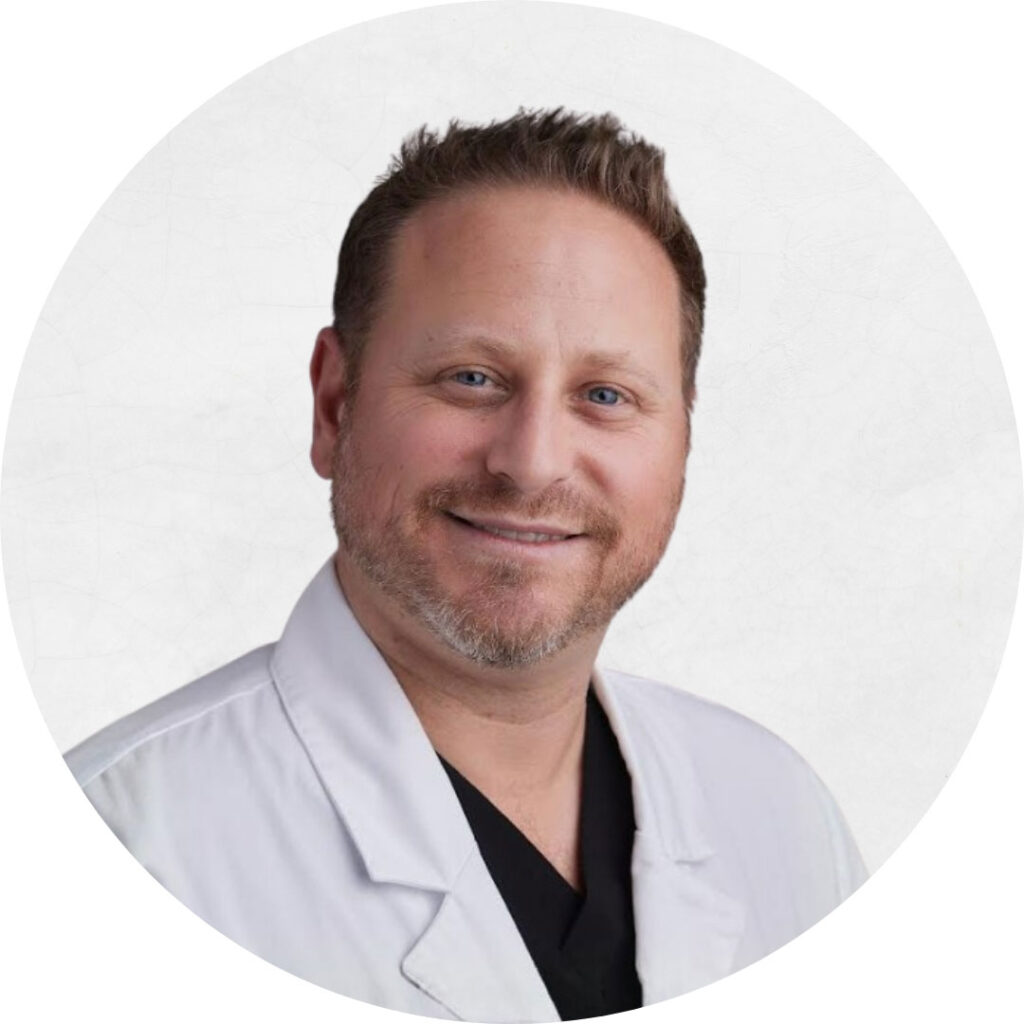
Michael Morell, MD
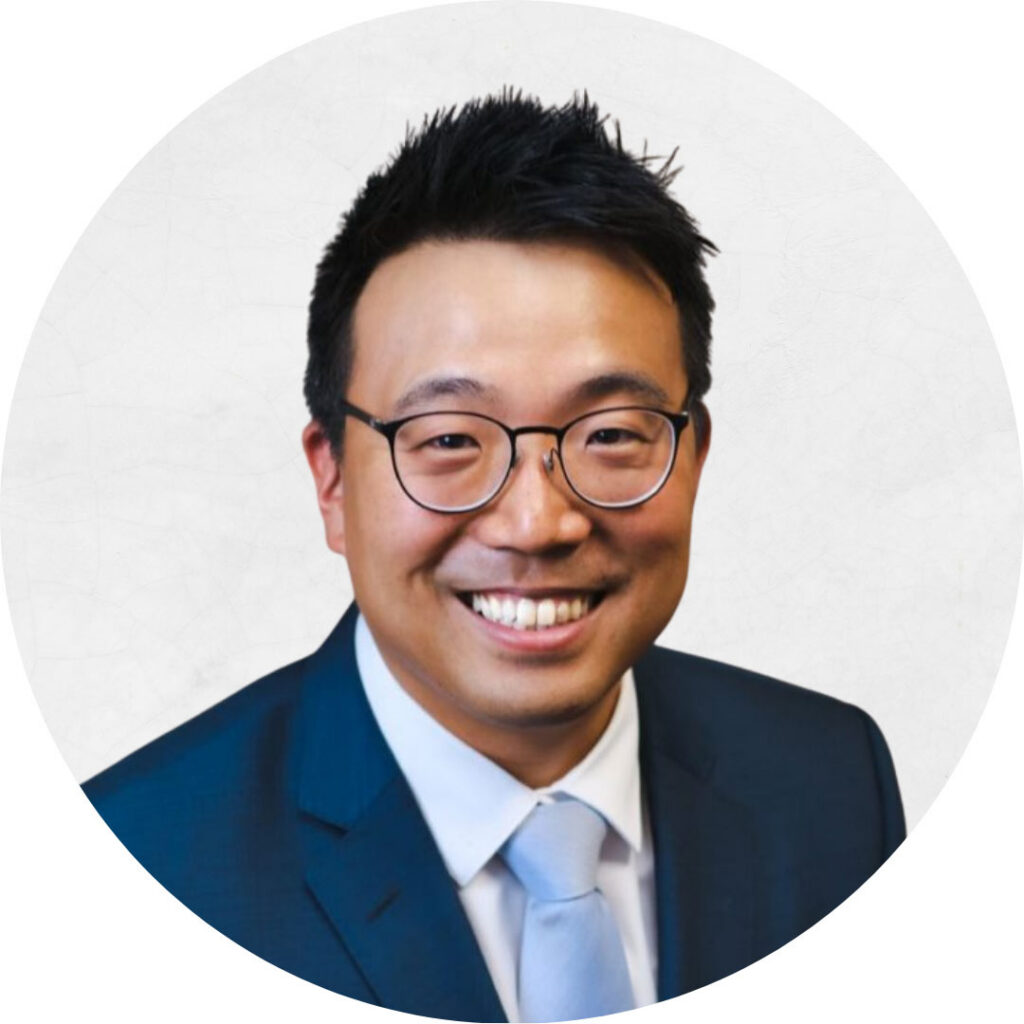
Aaron Lee, DO
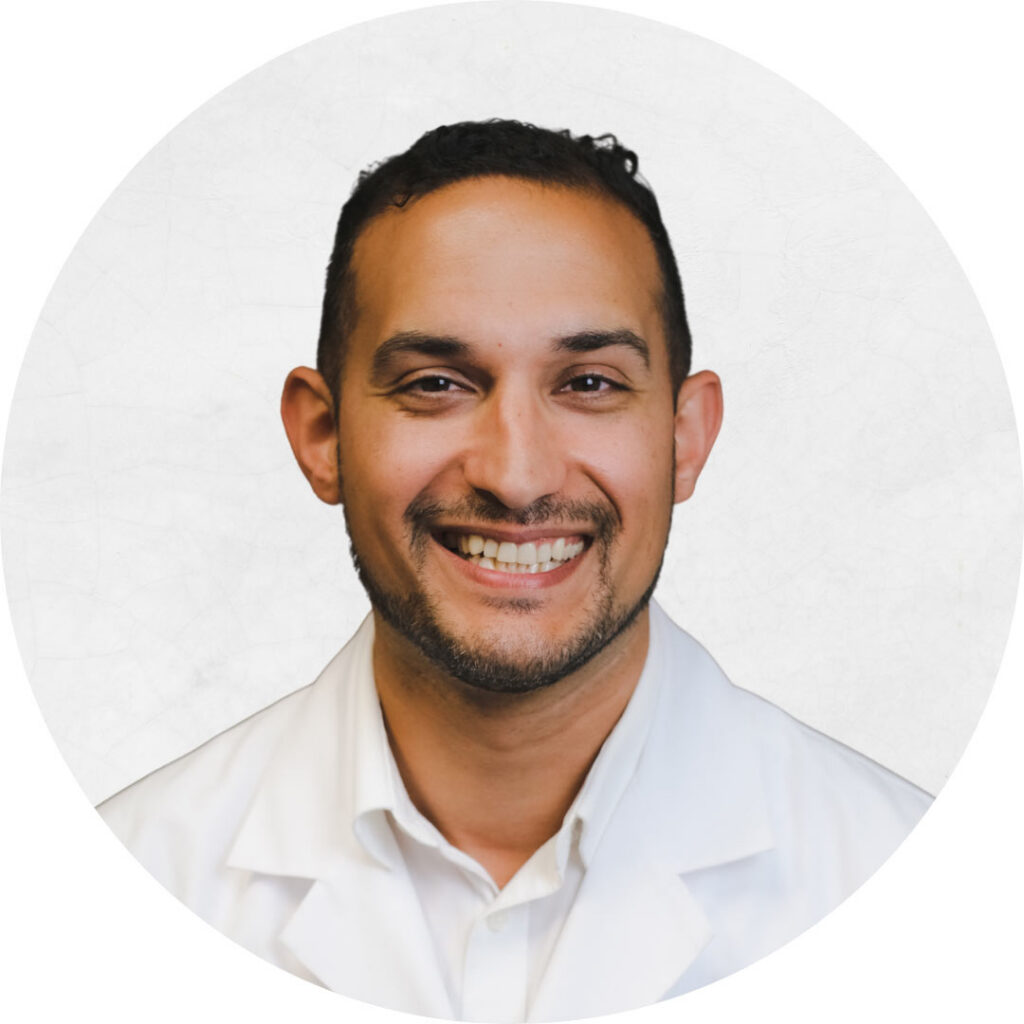
Aras Emdadi, DO

Brianna Williams, MD

Kirsten Goshen, FNP-BC
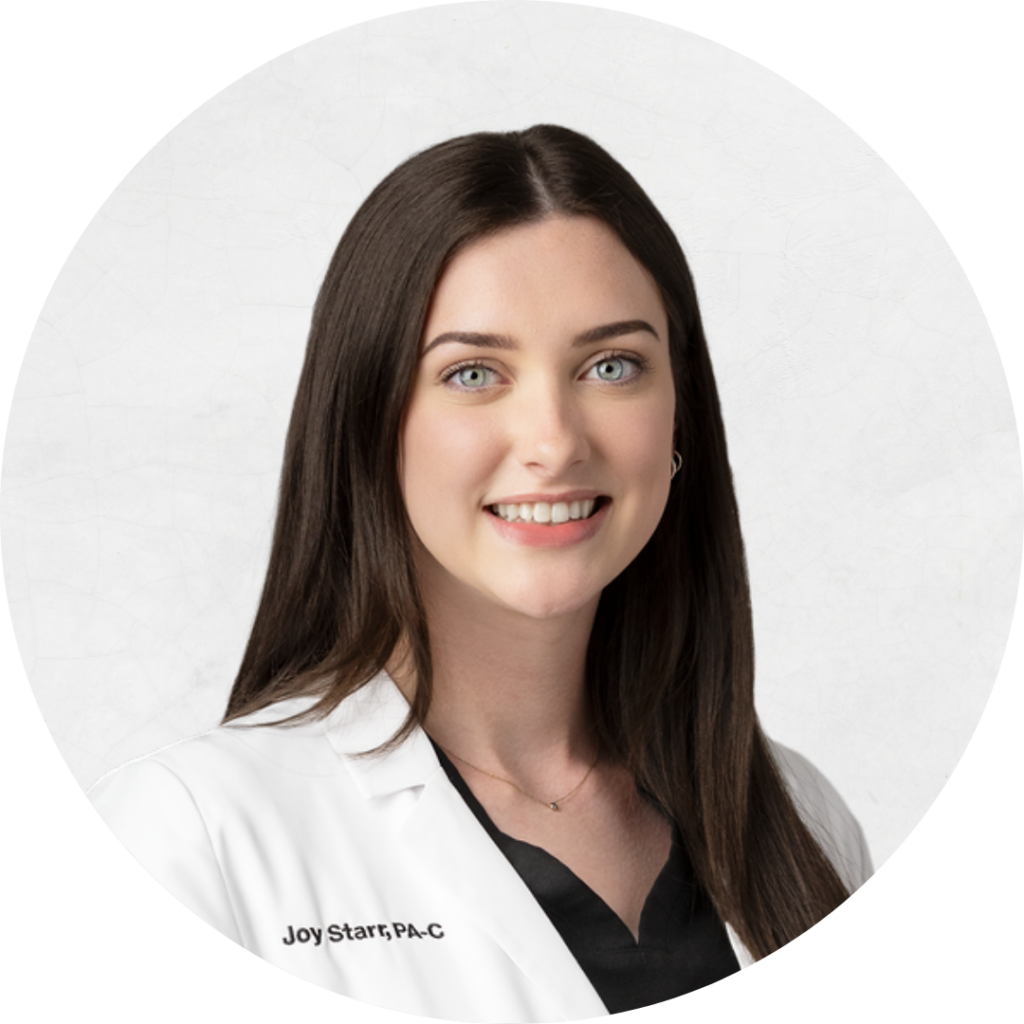
Joy Starr, PA-C
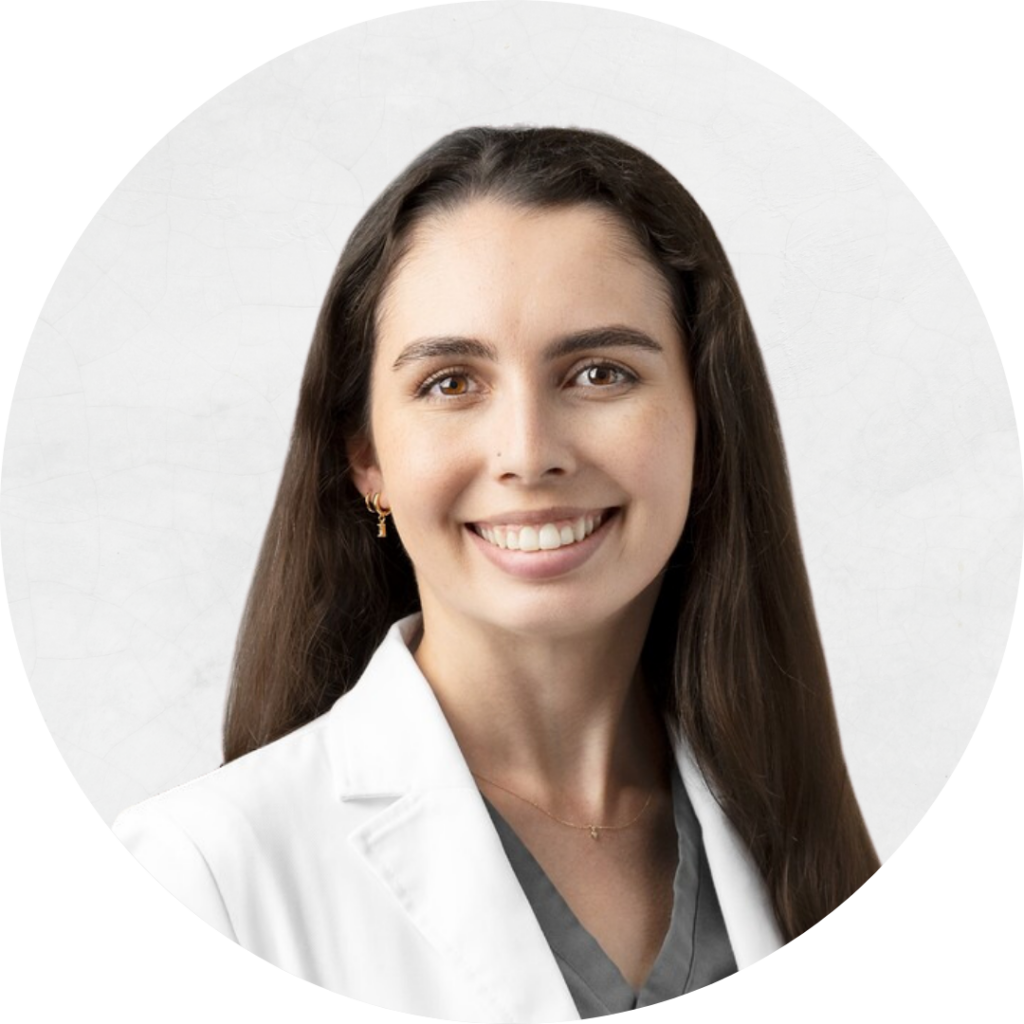
Gabrielle Burns, PA-C
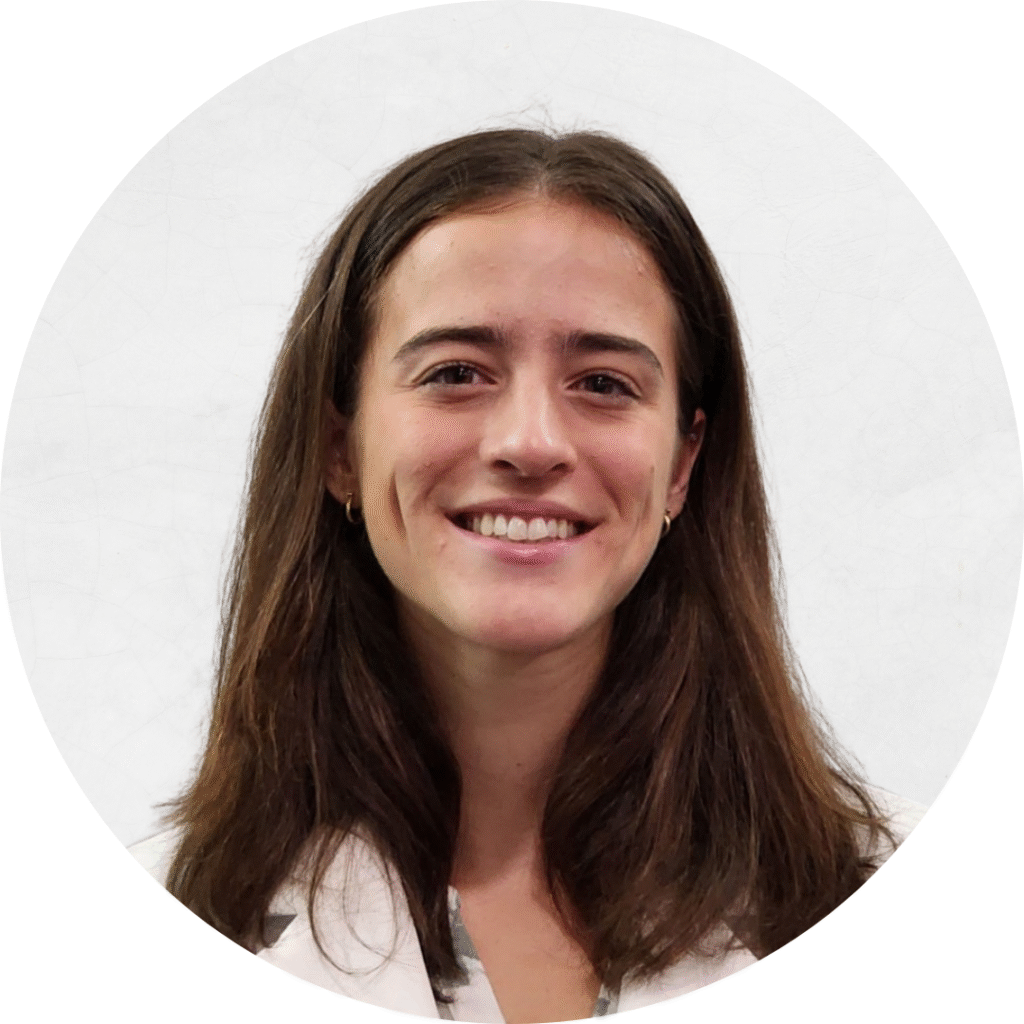
Olivia Wilson, PA-C
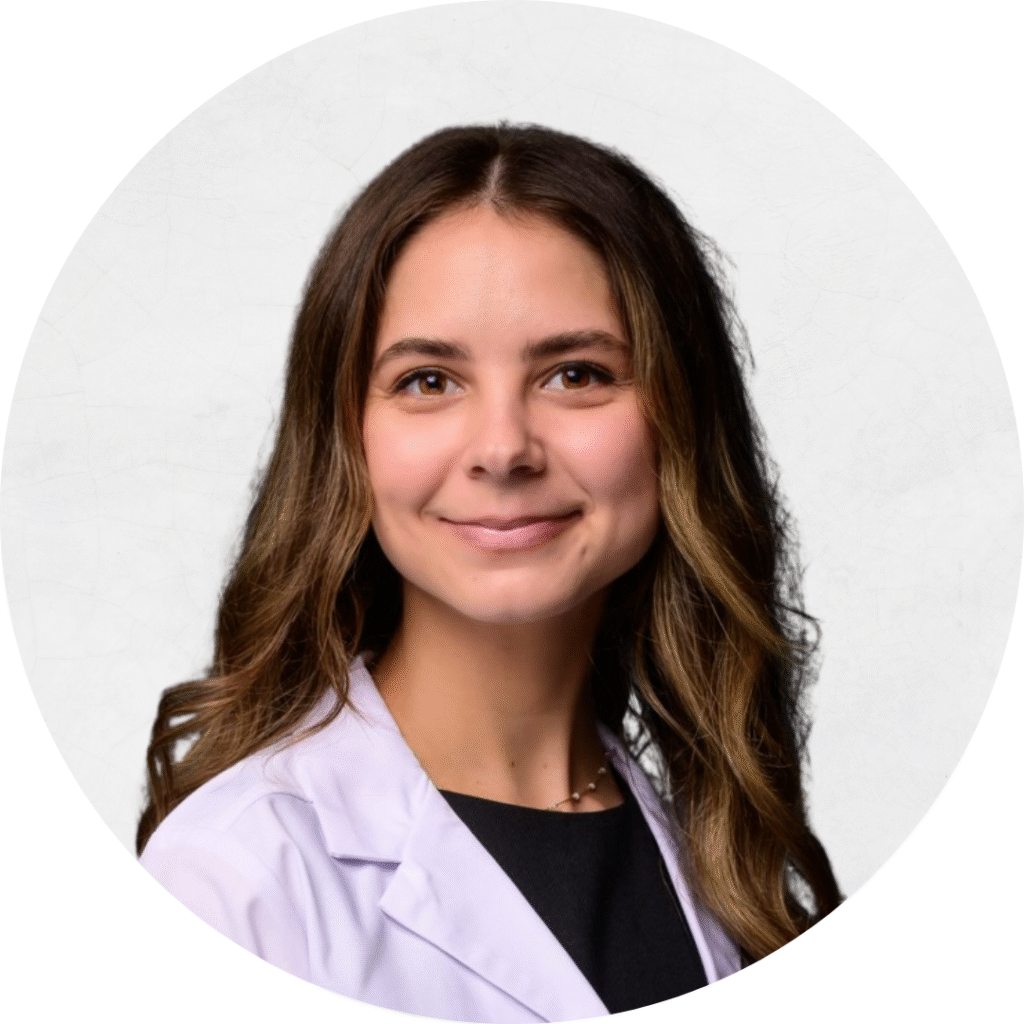
Alina Starker, PA-C
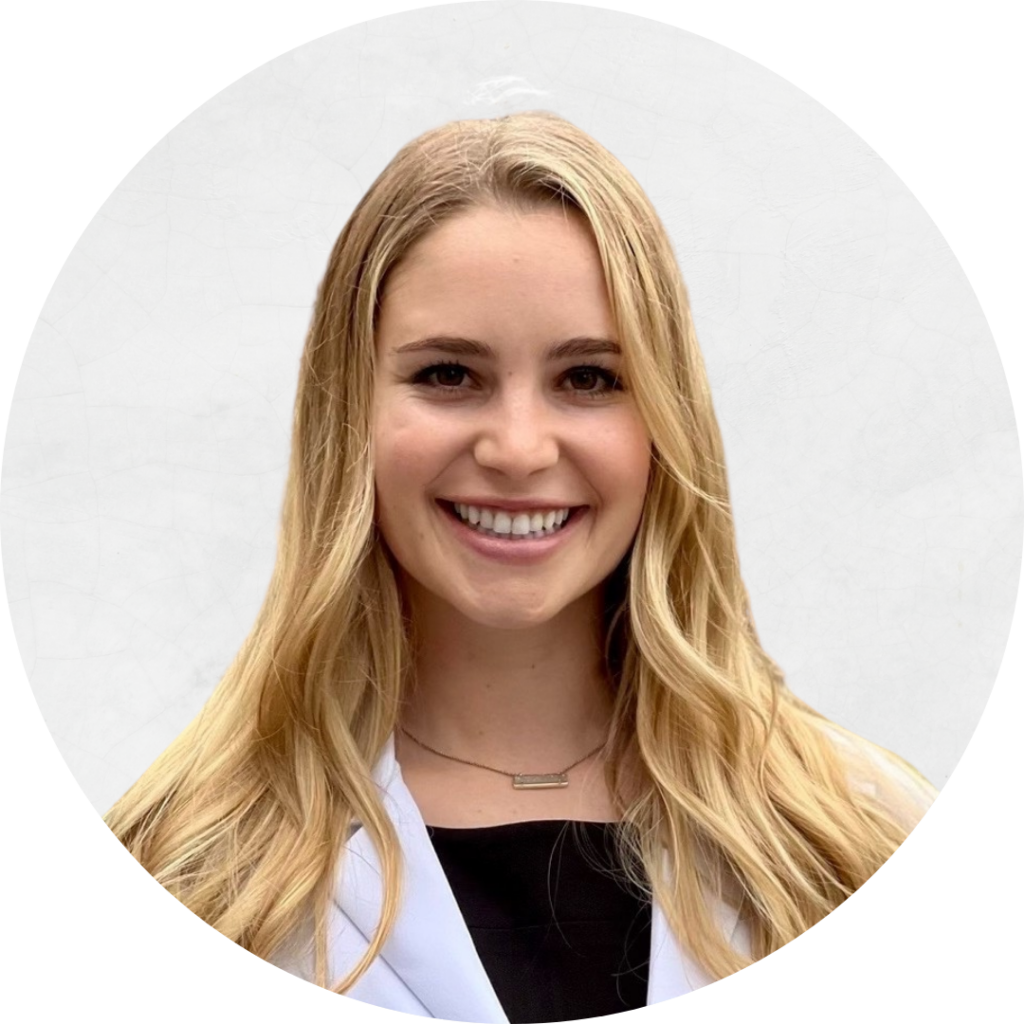
Emily Sanford, PA-C
Our Locations
Request an Appointment
San Diego County:
Carlsbad, Encinitas & La Jolla (Regents Park Row) | Ph: (858) 207-3117
La Jolla (Genesee) | Ph: (858) 457-4917
Riverside County:
Murrieta | Ph: (858) 207-3117
Riverside | Ph: (951) 520-9392
Moreno Valley | Ph: (951) 788-1450
Corona | Ph: (951) 734-9930
Orange County:
Yorba Linda | Ph: (657) 866-3017